
Mechanical and Physical Checks
Tests related to bar behavior, dimensions, or mass.
Rebar batch testing covering yield, tensile strength, elongation, bend, mass per metre, and chemical composition under the specified grade and project standard.

In Short
Rebar testing evaluates identified batch specimens for properties such as yield strength, tensile strength, elongation, bend performance, and mass per metre, with chemical analysis where requested. Bar size, grade, markings, manufacturer, and heat or batch should be recorded before results are compared with the project-adopted specification.
Visible diameter or supplier name alone does not establish rebar properties. A test request needs specimens tied to an identified batch, bar markings, grade, and nominal size, followed by the appropriate mechanical or chemical measurements. This chain links the reported number to material delivered to the project.
A tensile test produces several values rather than one verdict: yield, ultimate tensile strength, and elongation, with additional ratios where the specification requires them. Bend testing evaluates a specimen around a specified mandrel. Mass per metre and chemical composition answer different questions and do not replace mechanical testing.
The package follows the product specification and project request rather than a fixed list for every delivery.
Tests related to bar behavior, dimensions, or mass.
A separate scope defining measured elements and product type.
Product specifications and test methods serve different roles; the required edition is confirmed before testing.
Product specification for deformed and plain carbon-steel reinforcing bars
Product specification for low-alloy reinforcing bars where selected
Mechanical testing methods and definitions for steel products
Test methods for reinforcing bars, rods, and wire
Optical-emission analysis of carbon and low-alloy steel where method applicability is confirmed
Grade, limits, and sampling plan adopted by the project
Specimen identity should remain traceable from delivery to the test machine.
1. Review Delivery and Requirement
We collect size, grade, markings, manufacturer, heat or batch data, specification, and requested tests.
2. Sample and Identify
Specimens are selected under the project plan or received with source, length, condition, and prior preparation recorded.
3. Prepare and Test
The specimen is prepared and measured before tensile, bend, mass, or chemical testing under the work-order scope.
4. Results and Comparison
The report presents individual values, test method, and supplied specification limits, flagging items requiring an authorized decision.
Confirm batch identity, grade, and test scope before specimens are cut.
List each size, grade, and batch clearly so the quotation reflects the actual specimen matrix.
9 field and laboratory tests available by project scope
Standard rebar sampling
سحب عينات حديد التسليح
Unit: sample
Tensile Stress, Yield Stress & % Elongation
اجهاد الشد والخضوع والاستطالة
Unit: sample
Bend Test
درجة الثني
Unit: sample
Carbon Chemical Analysis (rebar)
التحليل الكيميائي الكربوني (حديد)
Unit: sample
Tensile Strength (anchor bolts)
قوة الشد للأنكوربولت
Unit: sample
Carbon Chemical Analysis (anchor bolts)
التحليل الكيميائي للأنكوربولت
Unit: sample
Bolt Tensile Strength
قوة الشد للمسامير
Unit: sample
Pull Out Test (installation bolts)
قوة الشد لمسامير التزريع (Pull Out)
Unit: test
Galvanization Cover Test
نسبة الجلفنة
Unit: test
Field and laboratory tests selected to match the project scope
Accumulated technical experience in testing & engineering consultancy
From our Makkah head office, via equipped field teams
The report describes identified tested specimens and does not automatically extend results to all supplier stock.
Review how tests are interpreted, then send batch details to define the commercial scope.
The product specification and project plan define tests and frequency. Scope may include yield, tensile strength, elongation, bend or rebend, mass per metre, and chemical composition where requested. Grade, size, batch, and specification should be identified before selecting the package.
Explore the rest of our accredited engineering tests in one place

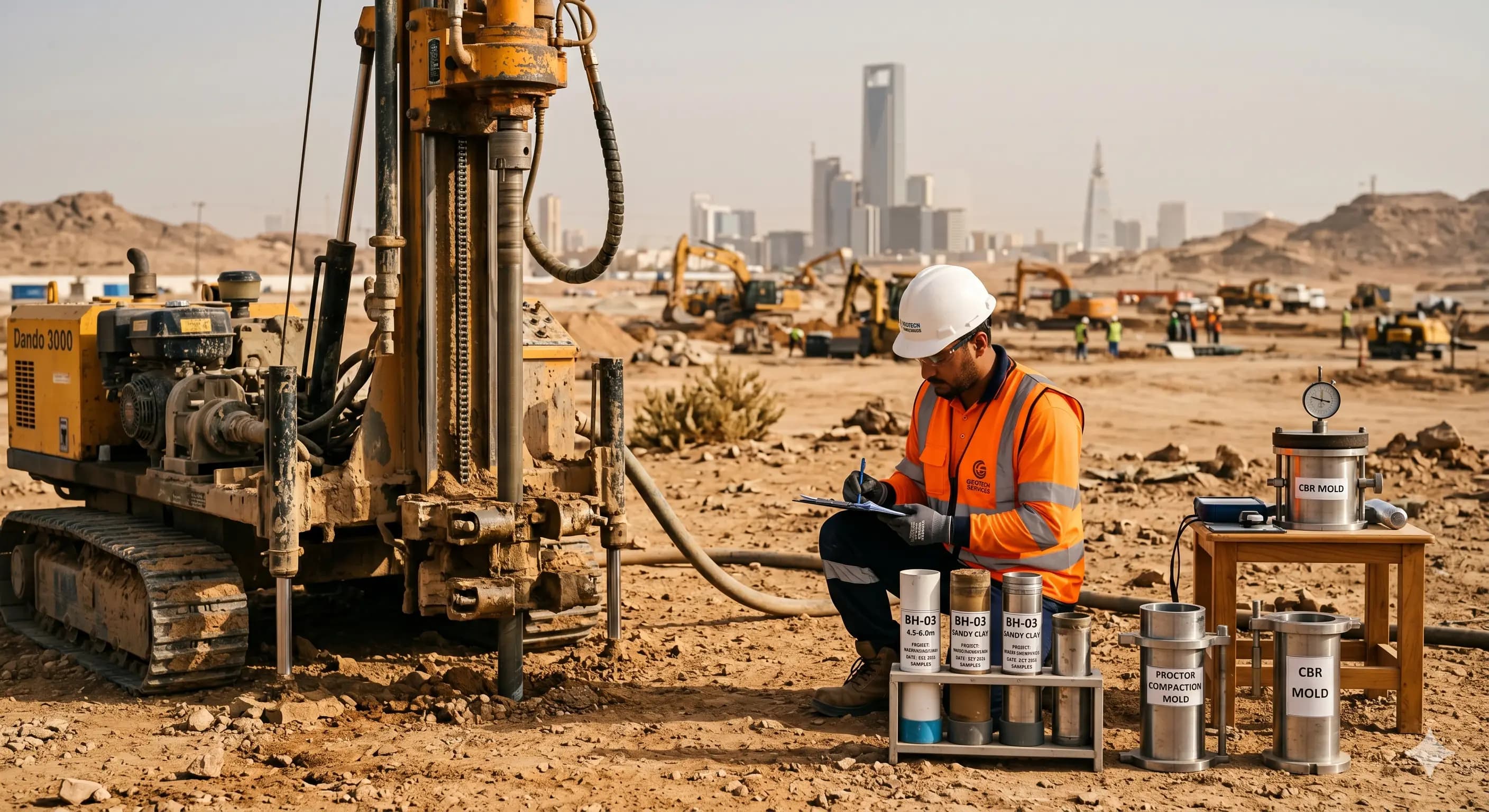
Soil
A soil testing laboratory covering pre-construction boreholes, in-situ testing, sampling, laboratory analysis, and geotechnical reporting according to each project's scope.

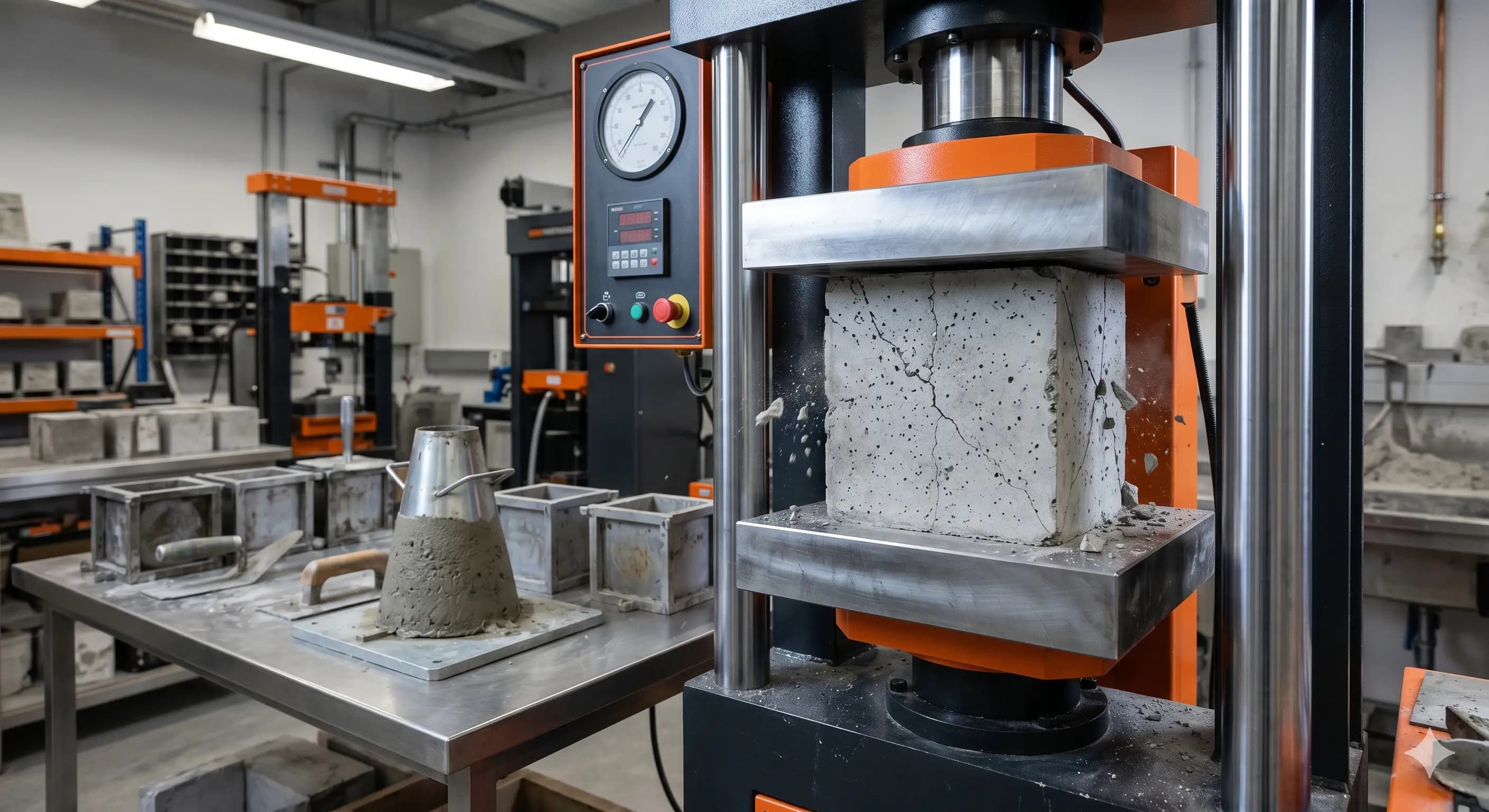
Concrete
Fresh and hardened concrete testing covering slump, temperature, specimens, compressive strength, concrete cores, and non-destructive methods to project specifications.

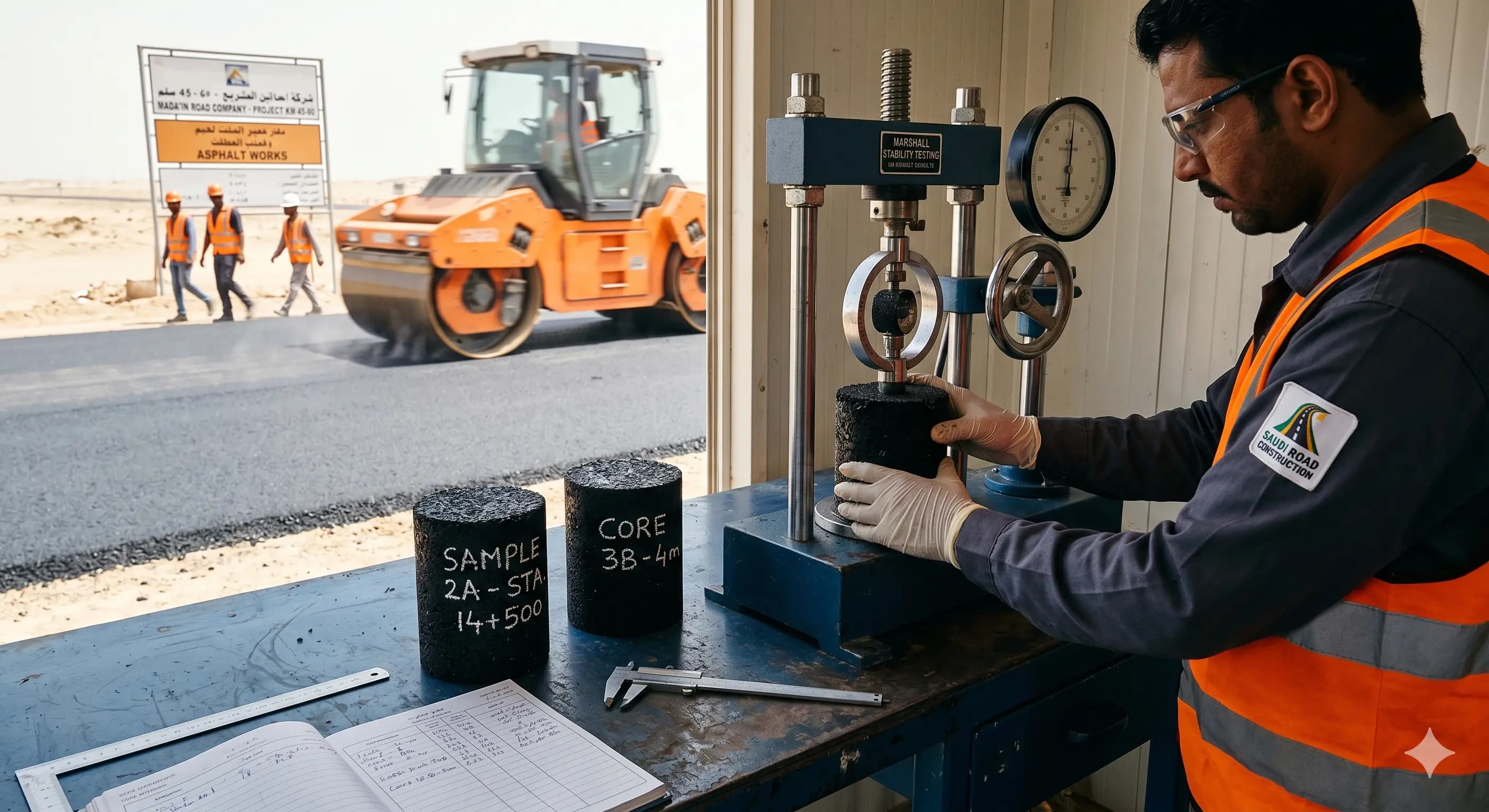
Asphalt
Asphalt mixture and pavement testing covering Marshall, binder content, gradation, Gmm, cores, thickness, density, and compaction to project specifications.

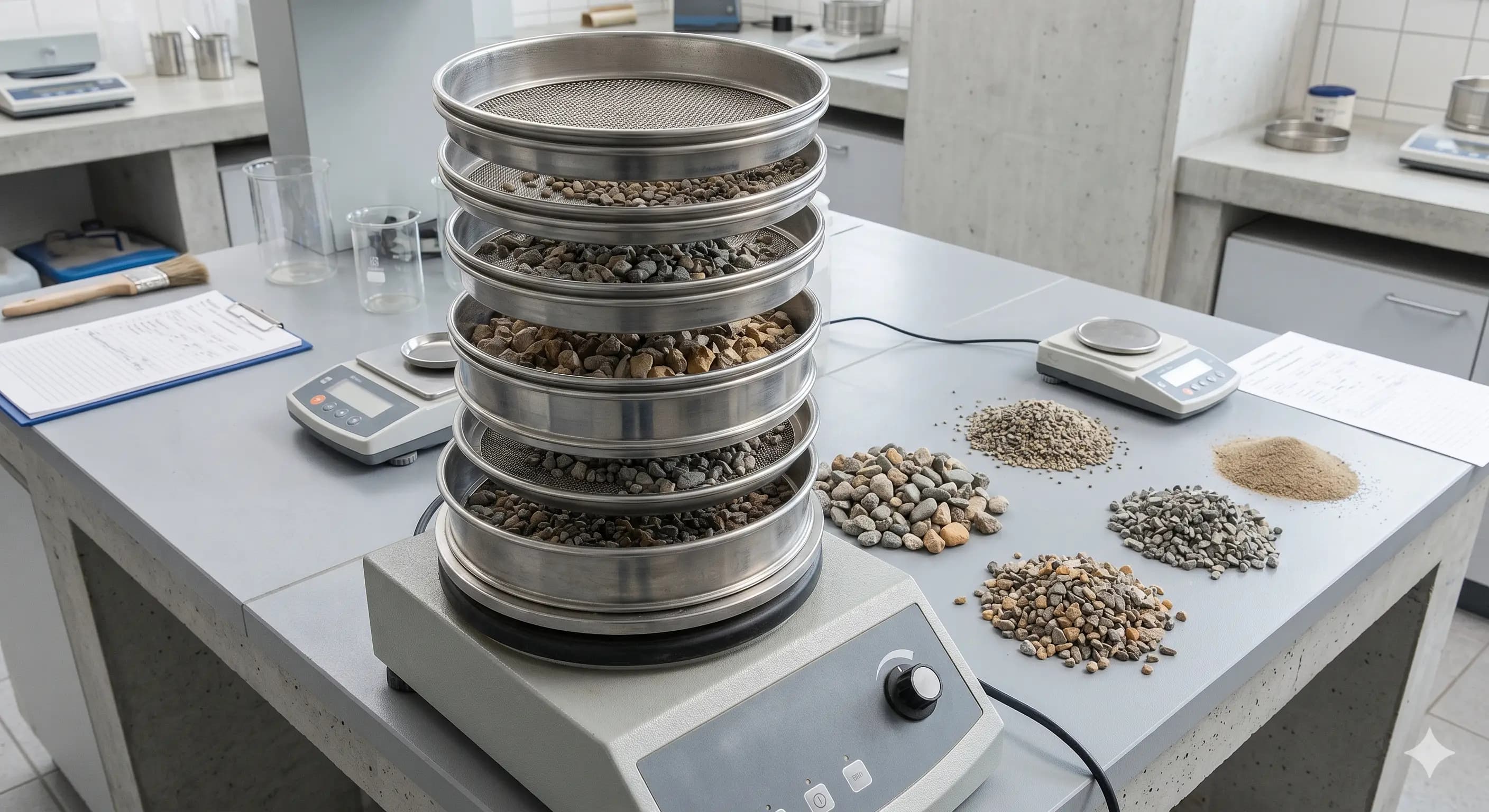
Aggregate
Fine and coarse aggregate testing for gradation, relative density, absorption, bulk density, abrasion, and soundness by intended use and project specification.

Chemical
Chemical analysis of water, soil, and aggregate covering pH, sulfates, chlorides, and TDS — to determine environmental aggressiveness on construction materials.

Blocks
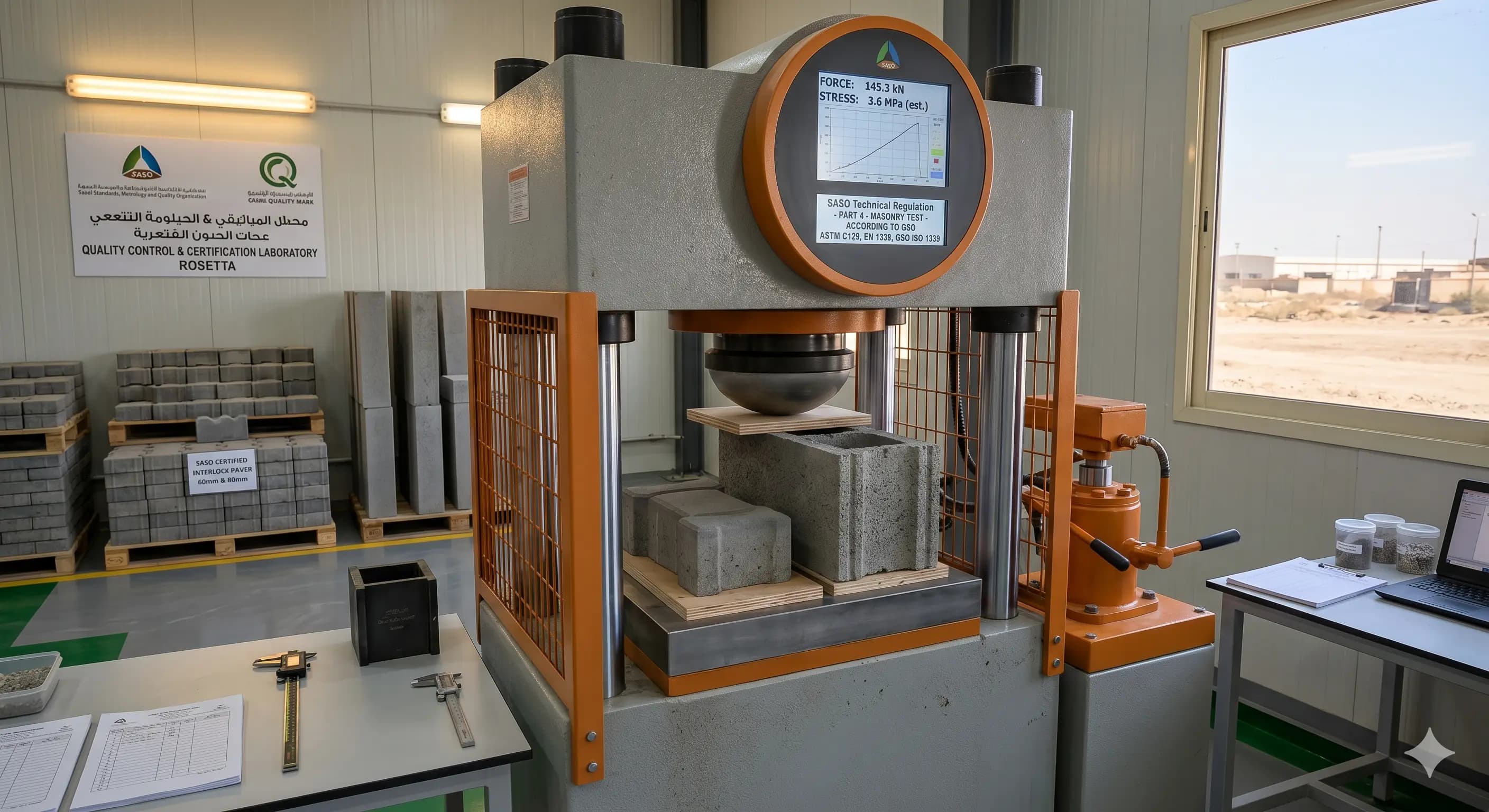
Testing for cement blocks, interlock pavers, and curbstones covering dimensions, compressive strength, water absorption, and density by product specification.
Our specialized team is ready to mobilize to your site anywhere in the Kingdom.