
Chemical Analysis
Book a water or soil sample and get results within days — turbidity, total hardness, calcium, magnesium, pH, sulfates and chlorides, for drinking, irrigation, sewage, well, hotel and farm water.

In Short
Chemical analysis measures pH, sulfates, chlorides, and total dissolved salts (TDS) in soil, water, and aggregate to determine how aggressive they are toward concrete and steel. Per SBC 303 sulfate classification: below 0.2% is non-aggressive, above 0.5% is highly aggressive and requires sulfate-resistant cement.
Why Structurally "Fine" Soil Can Chemically Destroy Your Concrete
Bearing capacity isn't the only thing you need to know about a site's soil. Soil with excellent bearing capacity can still be rich in sulfates or chlorides — triggering a slow chemical reaction with cement and steel from day one. The result: early foundation deterioration within a few years, even when the structural design was perfectly sound.
The same logic applies to mixing water used in concrete production — non-compliant water raises the salt content inside the mix itself and accelerates rebar corrosion from within. TECHNO Soil Lab analyzes soil, water, and aggregate in the same visit, particularly relevant in coastal areas or near brackish groundwater.
Standards Governing Chemical Analysis
Fixed thresholds separate safe soil from aggressive soil.
Soil aggressiveness classification by sulfate content: 0.2% lower threshold, 0.5% severe threshold
Sulfate, chloride, and pH analysis for water and soil
Chemical analysis of aggregate (pH, chlorides, sulfates, TDS)
Requirements for mixing water used in concrete production
From Sample to Aggressiveness Classification
3 steps — a clear numeric result at the end.
1. Sample Collection
Soil, water, or aggregate sample collected on site, with depth and exact location documented for soil samples.
2. Lab Analysis
pH, sulfates, chlorides, and total dissolved salts (TDS) measured per the applicable standard.
3. Aggressiveness Classification
Results are compared against SBC 303 thresholds to determine classification and recommend cement type or required treatment.
Questions Before Skipping Chemical Analysis on Your Project
Especially relevant if the site is near the coast or brackish groundwater.
Included Tests
6 documented tests under the listed standards
Chemical analysis — Water & Soil (pH, Chlorides, Sulfates, TDS)
التحليل الكيميائي للمياه والتربة (pH، كلوريدات، كبريتات، TDS)
Unit: sample
Chemical analysis — Aggregate (pH, Chlorides, Sulfates, TDS)
التحليل الكيميائي للركام (pH، كلوريدات، كبريتات، TDS)
Unit: sample
Turbidity Measurement
قياس العكارة (Turbidity)
Unit: NTU
Total Hardness
العسرة الكلية (Total Hardness)
Unit: mg/L CaCO₃
Calcium
الكالسيوم (Calcium)
Unit: mg/L
Magnesium
المغنيسيوم (Magnesium)
Unit: mg/L
Equipment used for this service
Why TECHNO Soil Lab?
MODON — documented approval
Accumulated technical experience in testing & engineering consultancy
From our Makkah head office, via equipped field teams
What's Inside the Chemical Analysis Report
A clear classification built on reviewable numbers.
Related Reading
What Lies Beneath Your Site? The Geotechnical Study Answers Before You Pay the Price
Soil TestingYour Building Permit Starts Underground: The Baladi Soil Report Guide
Engineering ConsultationsBefore You Sign with Any Soil Lab: 6 Questions That Separate the Accredited from the Pretender
FAQ About Chemical Analysis
Aggressive soil rich in sulfates or chlorides reacts with cement and steel, causing early structural deterioration. SBC 303 mandates chemical analysis in areas with saline soil or near brackish groundwater.
Other Services You May Need
Explore the rest of our accredited engineering tests in one place
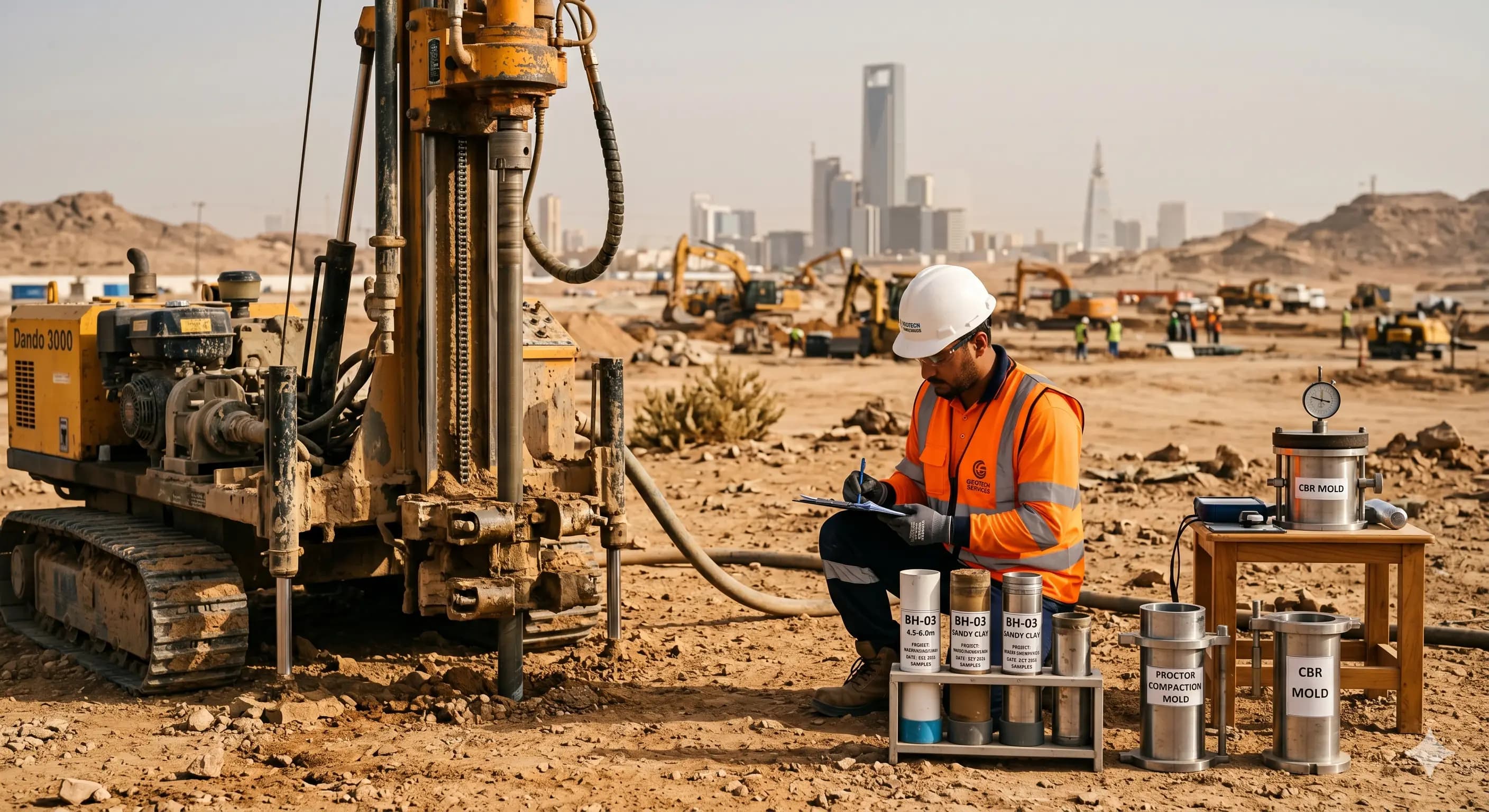
Soil
Soil Testing Laboratory, Boreholes & Site Tests
A soil testing laboratory covering pre-construction boreholes, in-situ testing, sampling, laboratory analysis, and geotechnical reporting according to each project's scope.
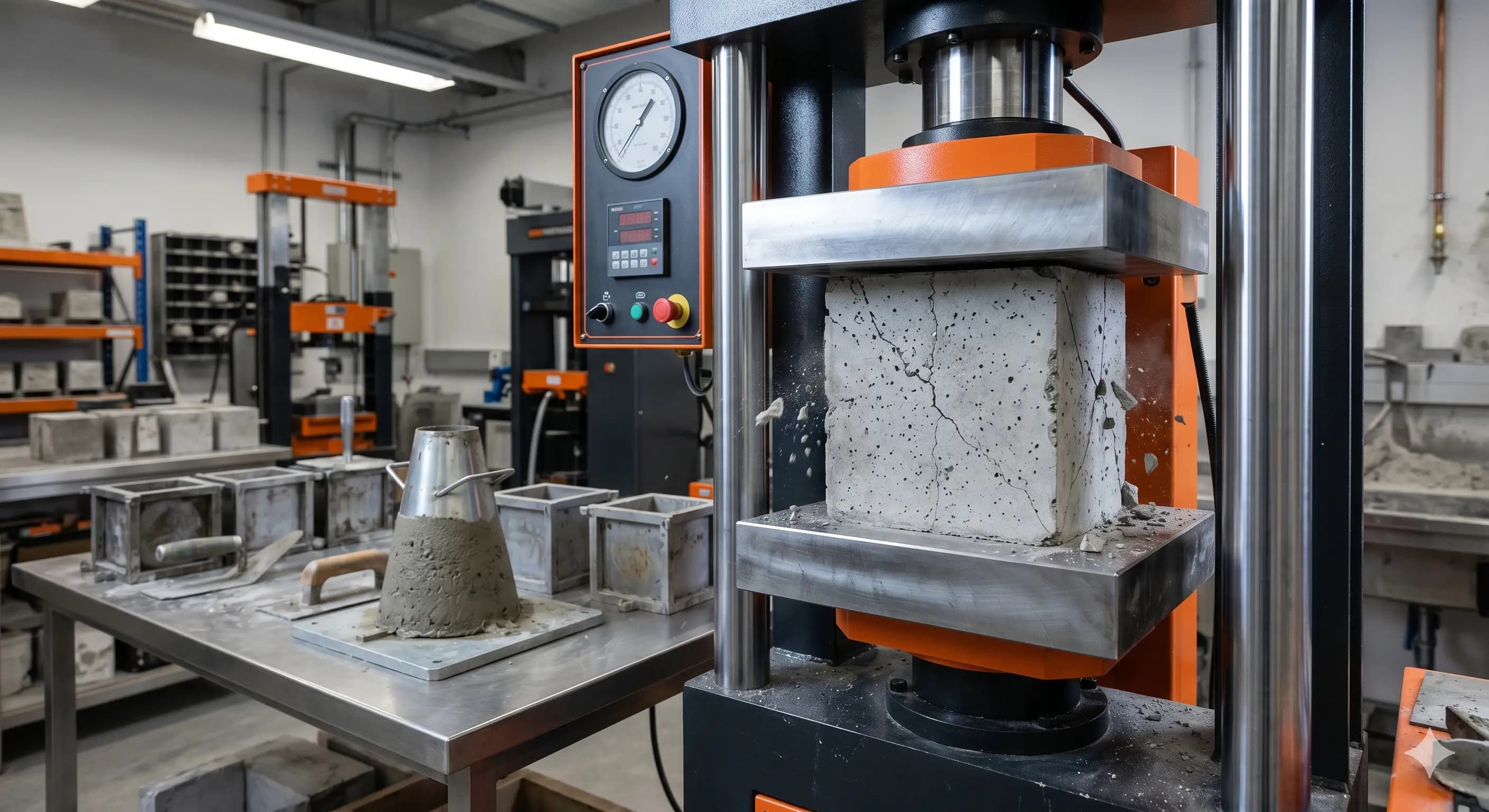
Concrete
Concrete Testing Laboratory: Site & Lab Tests
Fresh and hardened concrete testing covering slump, temperature, specimens, compressive strength, concrete cores, and non-destructive methods to project specifications.
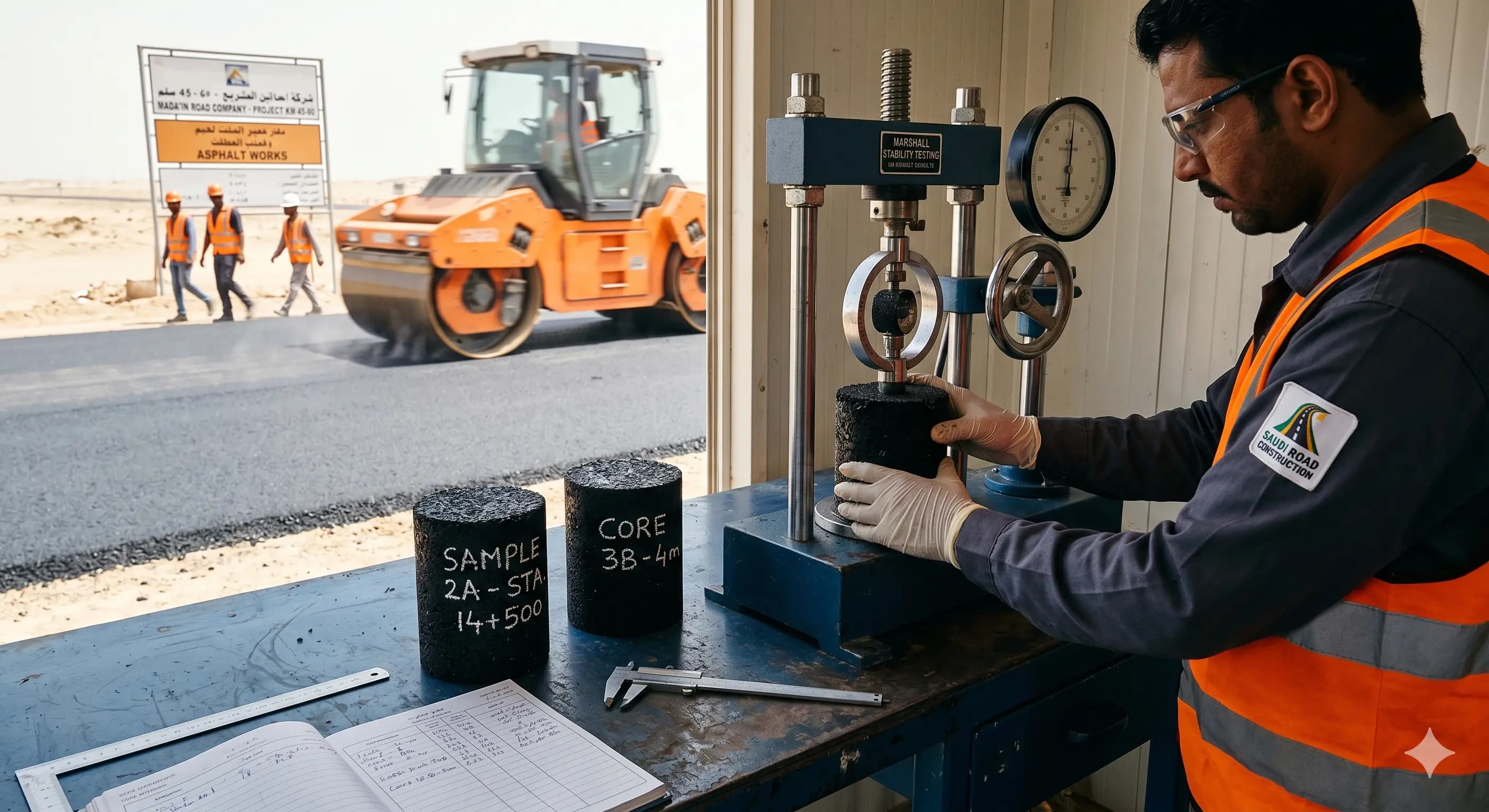
Asphalt
Asphalt Testing Laboratory: Density & Compaction
Asphalt mixture and pavement testing covering Marshall, binder content, gradation, Gmm, cores, thickness, density, and compaction to project specifications.
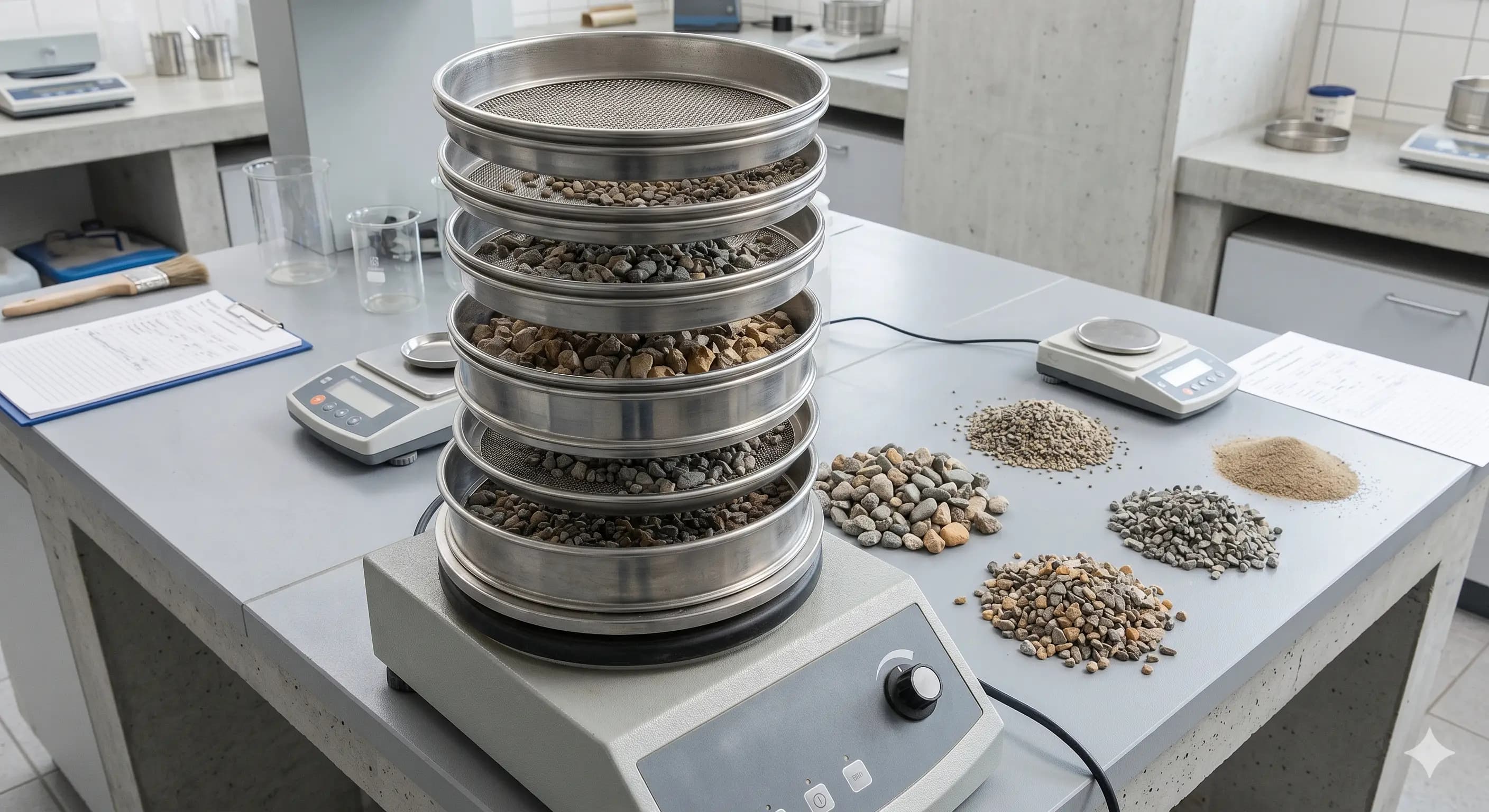
Aggregate
Aggregate Testing Laboratory: Gradation & Density
Fine and coarse aggregate testing for gradation, relative density, absorption, bulk density, abrasion, and soundness by intended use and project specification.

Rebar
Rebar Testing Laboratory: Tensile & Bend
Rebar batch testing covering yield, tensile strength, elongation, bend, mass per metre, and chemical composition under the specified grade and project standard.
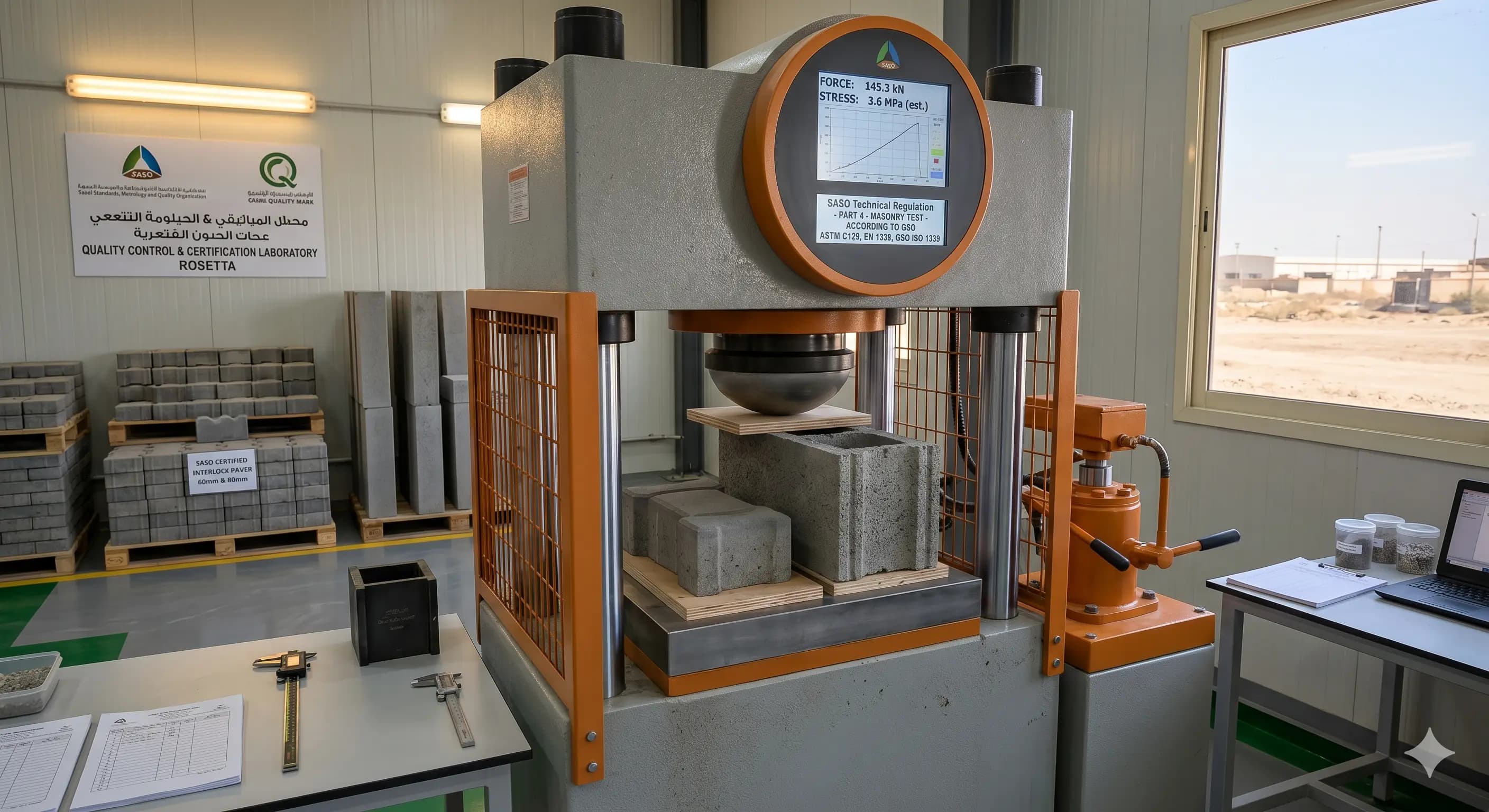
Blocks
Block and Interlock Testing Laboratory
Testing for cement blocks, interlock pavers, and curbstones covering dimensions, compressive strength, water absorption, and density by product specification.
Need Chemical Analysis Services?
Our specialized team is ready to mobilize to your site anywhere in the Kingdom.
Chemical Analysis of Soil and Water in Qassim — Agricultural Legacy and Construction Chemistry
Qassim's long agricultural history creates unique soil chemistry: decades of irrigation have mobilized and redistributed minerals and salts to deeper layers in converted farm-to-construction sites. TECHNO Soil Lab provides sulfate and chloride concentration analysis for BS 8500 aggressiveness classification, electrical conductivity as a total dissolved solids indicator, and nitrate analysis for former agricultural sites with chemical fertilizer history. Detailed recommendations for concrete specification and cement type selection are included with each report.