
Chemical Analysis in Makkah
Book a water or soil sample and get results within days — turbidity, total hardness, calcium, magnesium, pH, sulfates and chlorides, for drinking, irrigation, sewage, well, hotel and farm water.

Chemical Analysis in Makkah
Chemical analysis should answer a defined question about an identified soil, water, or aggregate sample. In Makkah (Mecca), wadi deposits and water conditions can vary between locations, so sampling point, depth, source, and time matter. Separate samples should not be combined simply because they came from the same district.
Define the analytes first
The scope may include pH, sulfates, chlorides, total dissolved solids (TDS), or other parameters specified by the project. Results are reviewed alongside the material type and the exposure classification selected by the designer; a district name alone cannot determine cement choice or treatment. The relevant ASTM, SASO, SBC, or project method should be confirmed so units and comparisons are unambiguous.
Collection and delivery
Our laboratory is in Al-Bay'ah, Ash-Shara'i, with citywide field coverage. Typical normal-day travel is about 27 minutes to Al-Masfalah, 30 minutes to Al-Umrah, and 35 minutes to South Makkah. For collection in Jurhum, Umm Al-Jud, or Al-Misyal (New), provide the exact point and access route. Pilgrimage-season traffic may change the appointment.
Use a clean container suitable for the material, label it with a unique code, source, depth where relevant, and collection time, and maintain the handover record. Send the required analytes, purpose, and comparison specification. The report states measured values, sample details, and method; project limits must be supplied when a compliance comparison is requested.
Areas We Cover in Makkah
Our field teams set out from the lab in Al-Bay'ah, Ash-Shara'i, to all ten sub-municipalities of Makkah (Mecca) — 101 districts under the official names adopted by the Makkah Municipality.
Ash-Shara'i
≈ 12 minLab HQ
21 districts · Show districts
Ath-Thaniyah, Zamzam, Uhud, Al-Maqam, Ash-Shara'i, Al-Yamamah, At-Tarwiyah, As-Salam, Ar-Rashidiyah, Al-Kawthar, Al-Mughammis, Ma'ad, Al-Khadra, Al-Bay'ah, Al-Marwah, As-Sanabil, Al-Barakah, Taybah, Al-Fath, Al-Abidiyah, Al-Ji'ranah
Al-Aziziyah
≈ 20 min10 districts · Show districts
Al-Aziziyah, Al-Jami'ah, Al-Mursalat, Al-Awali, An-Naseem, Al-Husayniyah, Badr, As-Safa, Tuwa, Al-Hudaybiyah
Al-Ma'abidah
≈ 27 min9 districts · Show districts
Al-Jumayzah, Al-Khansa, Ar-Rawdah, As-Sulaymaniyah, Al-Adl, Al-Ma'abidah, Jabal An-Nur, Wadi Jalil, Ri' Adhakhir
Al-Masfalah
≈ 27 min7 districts · Show districts
Al-Masfalah, Kudai, Ar-Rusayfah, At-Taqwa, Al-Hindawiyah, Jurhum, Al-Khalidiyah
Ajyad
≈ 30 min2 districts · Show districts
Ajyad, Al-Hatim
Al-Ghazzah
≈ 30 min6 districts · Show districts
Rua Al-Haram, Jarwal, Al-Hajun, Al-Biban, At-Taysir, Hunayn
Al-Umrah
≈ 30 min12 districts · Show districts
An-Nawariyah, Al-Umrah, At-Tan'eem, Al-Buhayrat, Dar As-Salam, Qurtubah, Al-Hamra, Umm Al-Jud, Ash-Shumaysi, Al-Usaylah, Al-Aqabah, Ar-Rawabi
Al-Utaybiyah
≈ 32 min8 districts · Show districts
Al-Andalus, Al-Utaybiyah, Ash-Shuhada, Az-Zahra, An-Nuzhah, Ad-Diyafah, Az-Zahir, As-Salamah
South Makkah
≈ 35 min15 districts · Show districts
Haret Al-Bab (New), Ash-Shubaykah (New), Ash-Shamiyah (New), Shi'b Amir (New), Shi'b Ali (New), Al-Judariyah (New), Al-Hajlah (New), Al-Misyal (New), As-Suq As-Saghir (New), Al-Qashashiyah (New), Al-Ghazzah (New), Al-Qararah (New), Al-Mudda'a (New), Al-Falaq (New), An-Naqa (New)
Ash-Shawqiyah
≈ 35 min11 districts · Show districts
Al-Hijrah, Ash-Shawqiyah, Al-Kakiyah, Al-Ukayshiyah, King Fahd, As-Safwah, Al-Muhammadiyah, Al-Furqan, Al-Basatin, As-Safrah, Batha Quraysh
Estimated driving times from the lab on normal days; they can be longer during Ramadan and the Hajj season.
In Short
Chemical analysis measures pH, sulfates, chlorides, and total dissolved salts (TDS) in soil, water, and aggregate to determine how aggressive they are toward concrete and steel. Per SBC 303 sulfate classification: below 0.2% is non-aggressive, above 0.5% is highly aggressive and requires sulfate-resistant cement.
Why Structurally "Fine" Soil Can Chemically Destroy Your Concrete
Bearing capacity isn't the only thing you need to know about a site's soil. Soil with excellent bearing capacity can still be rich in sulfates or chlorides — triggering a slow chemical reaction with cement and steel from day one. The result: early foundation deterioration within a few years, even when the structural design was perfectly sound.
The same logic applies to mixing water used in concrete production — non-compliant water raises the salt content inside the mix itself and accelerates rebar corrosion from within. TECHNO Soil Lab analyzes soil, water, and aggregate in the same visit, particularly relevant in coastal areas or near brackish groundwater.
Standards Governing Chemical Analysis
Fixed thresholds separate safe soil from aggressive soil.
Soil aggressiveness classification by sulfate content: 0.2% lower threshold, 0.5% severe threshold
Sulfate, chloride, and pH analysis for water and soil
Chemical analysis of aggregate (pH, chlorides, sulfates, TDS)
Requirements for mixing water used in concrete production
From Sample to Aggressiveness Classification
3 steps — a clear numeric result at the end.
1. Sample Collection
Soil, water, or aggregate sample collected on site, with depth and exact location documented for soil samples.
2. Lab Analysis
pH, sulfates, chlorides, and total dissolved salts (TDS) measured per the applicable standard.
3. Aggressiveness Classification
Results are compared against SBC 303 thresholds to determine classification and recommend cement type or required treatment.
Included Tests
11 documented tests under the listed standards
Chemical analysis — Water & Soil (pH, Chlorides, Sulfates, TDS)
التحليل الكيميائي للمياه والتربة (pH، كلوريدات، كبريتات، TDS)
Unit: sample
Chemical analysis — Aggregate (pH, Chlorides, Sulfates, TDS)
التحليل الكيميائي للركام (pH، كلوريدات، كبريتات، TDS)
Unit: sample
Turbidity Measurement
قياس العكارة (Turbidity)
Unit: NTU
Total Hardness
العسرة الكلية (Total Hardness)
Unit: mg/L CaCO₃
Calcium
الكالسيوم (Calcium)
Unit: mg/L
Magnesium
المغنيسيوم (Magnesium)
Unit: mg/L
Electrical Conductivity (EC)
الموصلية الكهربائية (EC)
Unit: µS/cm
Alkalinity
القلوية (Alkalinity)
Unit: mg/L CaCO₃
Free Residual Chlorine
الكلور الحر المتبقي (Free Chlorine)
Unit: mg/L
Iron
الحديد (Iron)
Unit: mg/L
Manganese
المنغنيز (Manganese)
Unit: mg/L
Equipment used for this service
Why TECHNO Soil Lab?
MODON — documented approval
Accumulated technical experience in testing & engineering consultancy
Head office in Makkah, with equipped field teams in all five cities
The complete Chemical Analysis guide
Test selection by project type, the pre-contract checklist, what drives the quote and what the report contains — on the main service page.
Read the full guideFAQ About Chemical Analysis
On normal days, typical driving is about 27 minutes to Al-Masfalah, 30 minutes to Al-Umrah, and 35 minutes to South Makkah from Al-Bay'ah. Seasonal congestion or difficult access to the sampling point may extend the journey.
Other Services You May Need
Explore the rest of our accredited engineering tests in one place
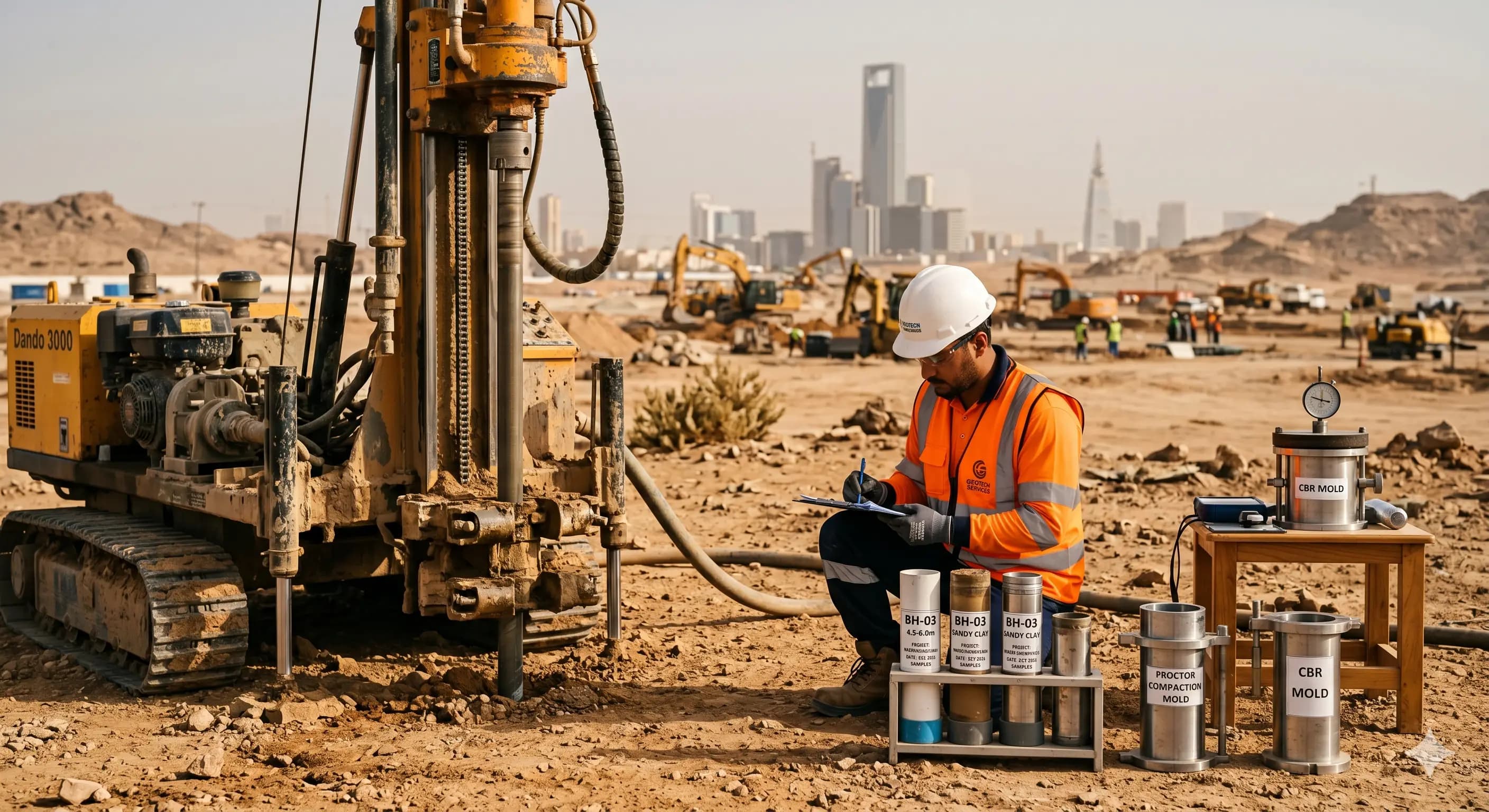
Soil
Soil Testing Laboratory, Boreholes & Site Tests
A soil testing laboratory covering pre-construction boreholes, in-situ testing, sampling, laboratory analysis, and geotechnical reporting according to each project's scope.
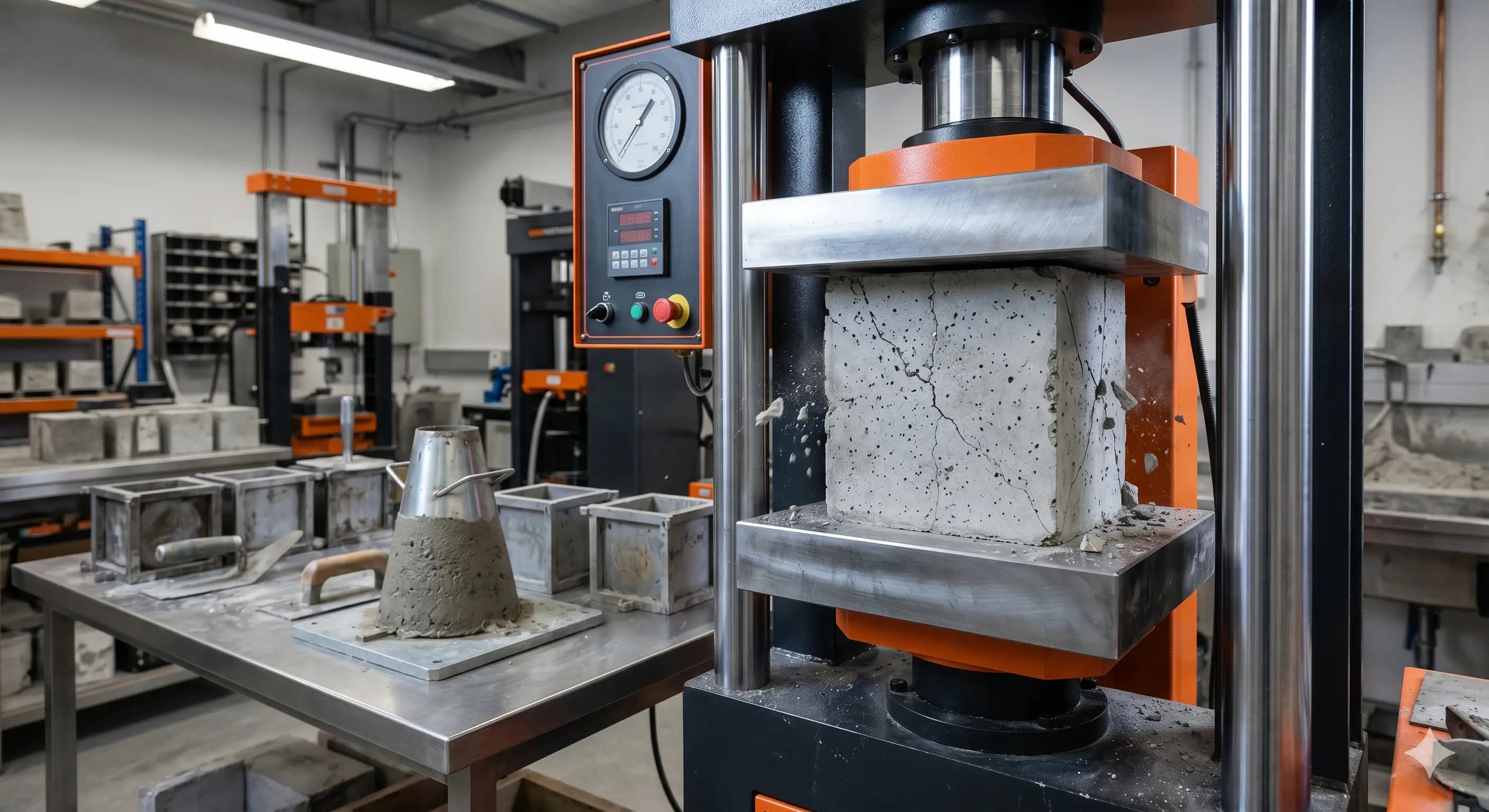
Concrete
Concrete Testing Laboratory: Site & Lab Tests
Fresh and hardened concrete testing covering slump, temperature, specimens, compressive strength, concrete cores, and non-destructive methods to project specifications.
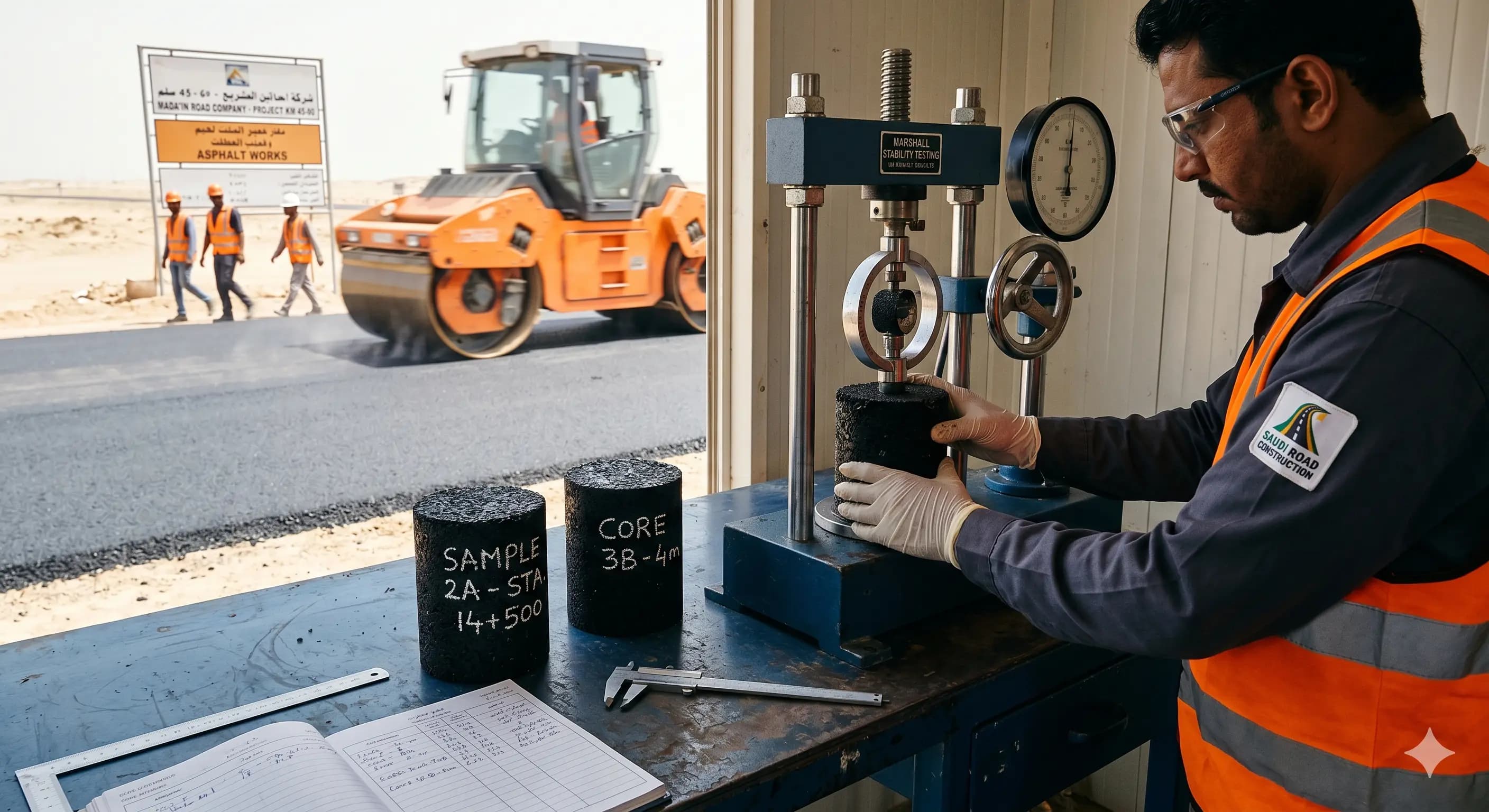
Asphalt
Asphalt Testing Laboratory: Density & Compaction
Asphalt mixture and pavement testing covering Marshall, binder content, gradation, Gmm, cores, thickness, density, and compaction to project specifications.
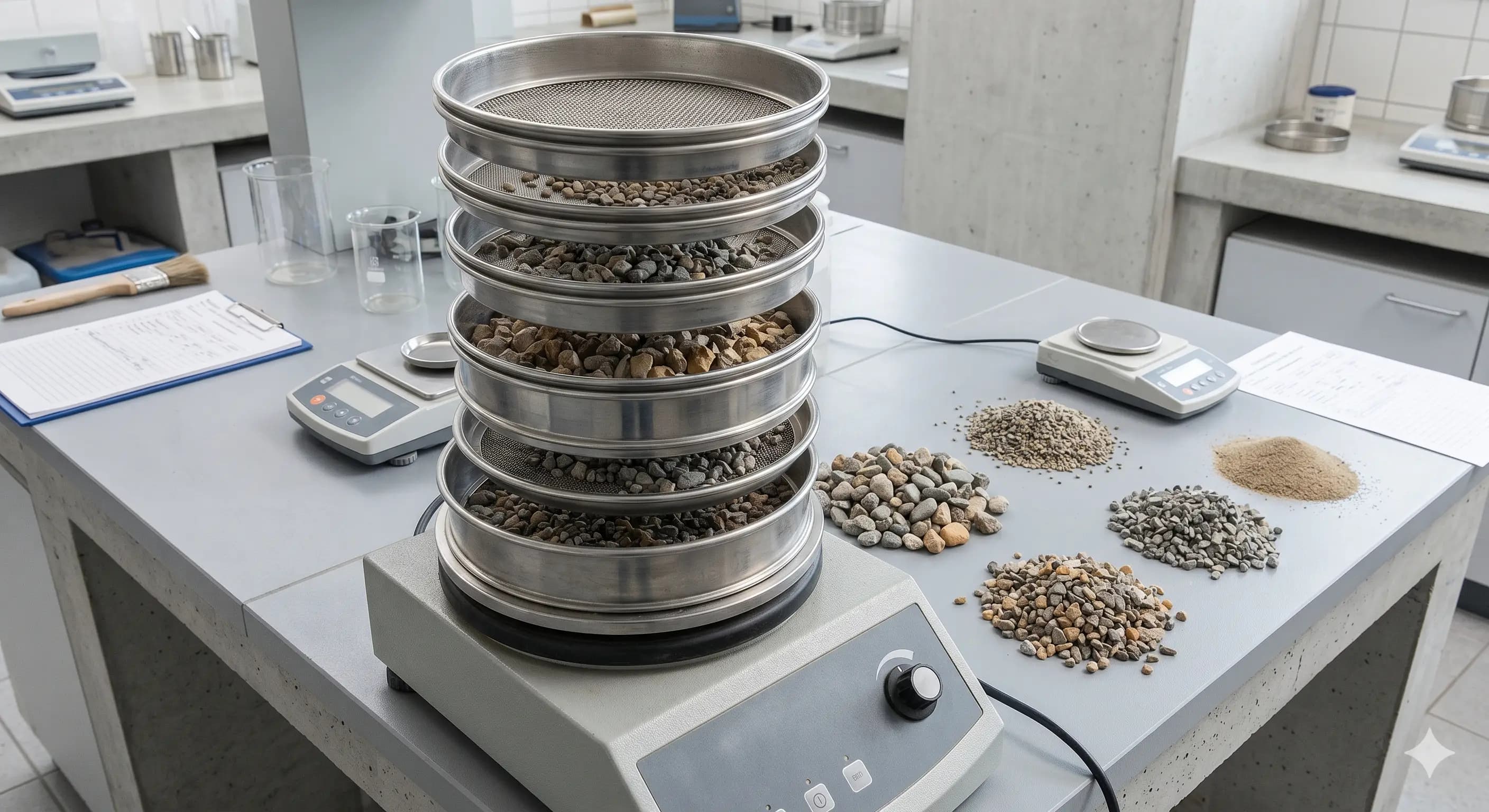
Aggregate
Aggregate Testing Laboratory: Gradation & Density
Fine and coarse aggregate testing for gradation, relative density, absorption, bulk density, abrasion, and soundness by intended use and project specification.
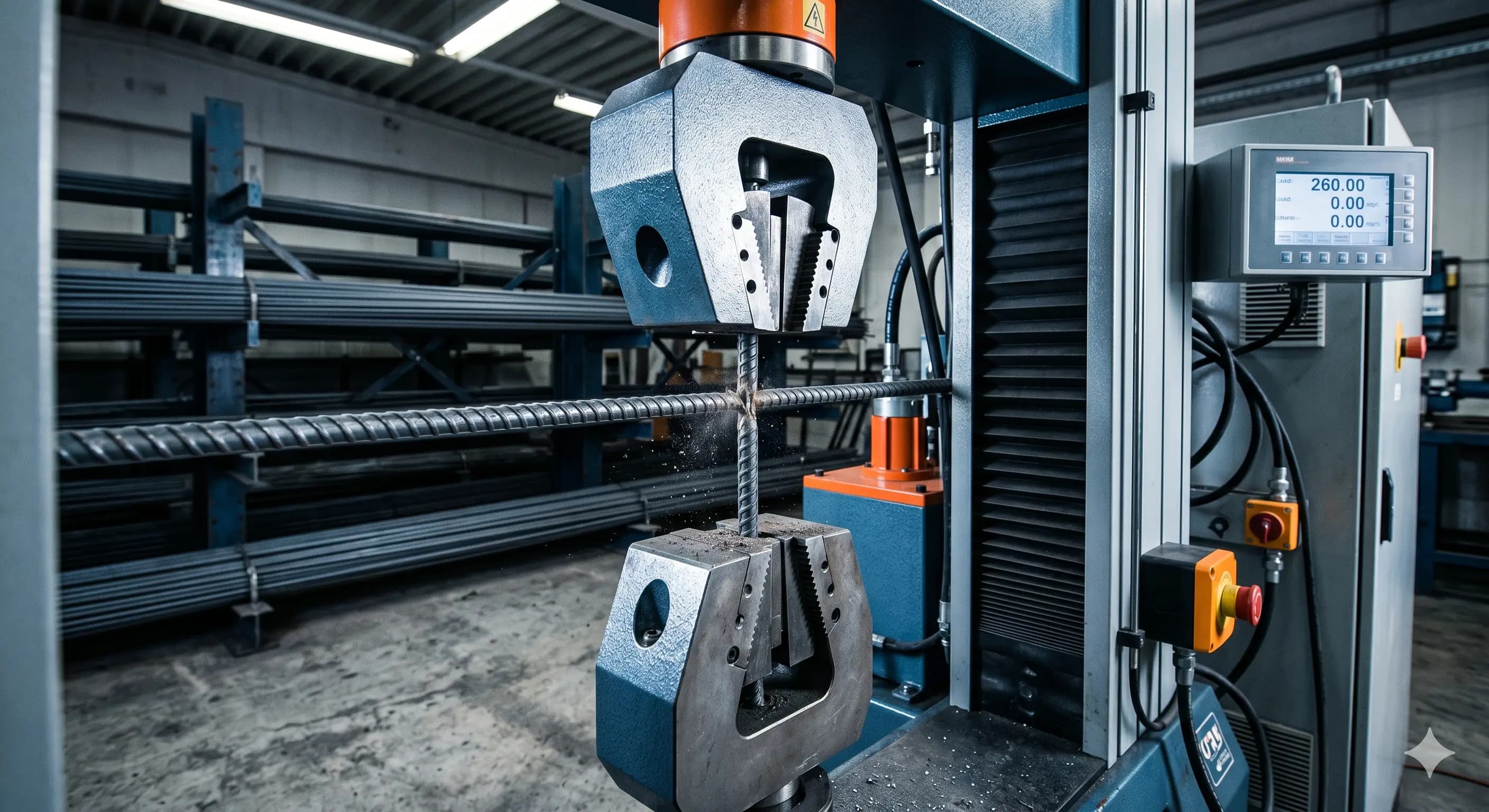
Rebar
Rebar Testing Laboratory: Tensile & Bend
Rebar batch testing covering yield, tensile strength, elongation, bend, mass per metre, and chemical composition under the specified grade and project standard.
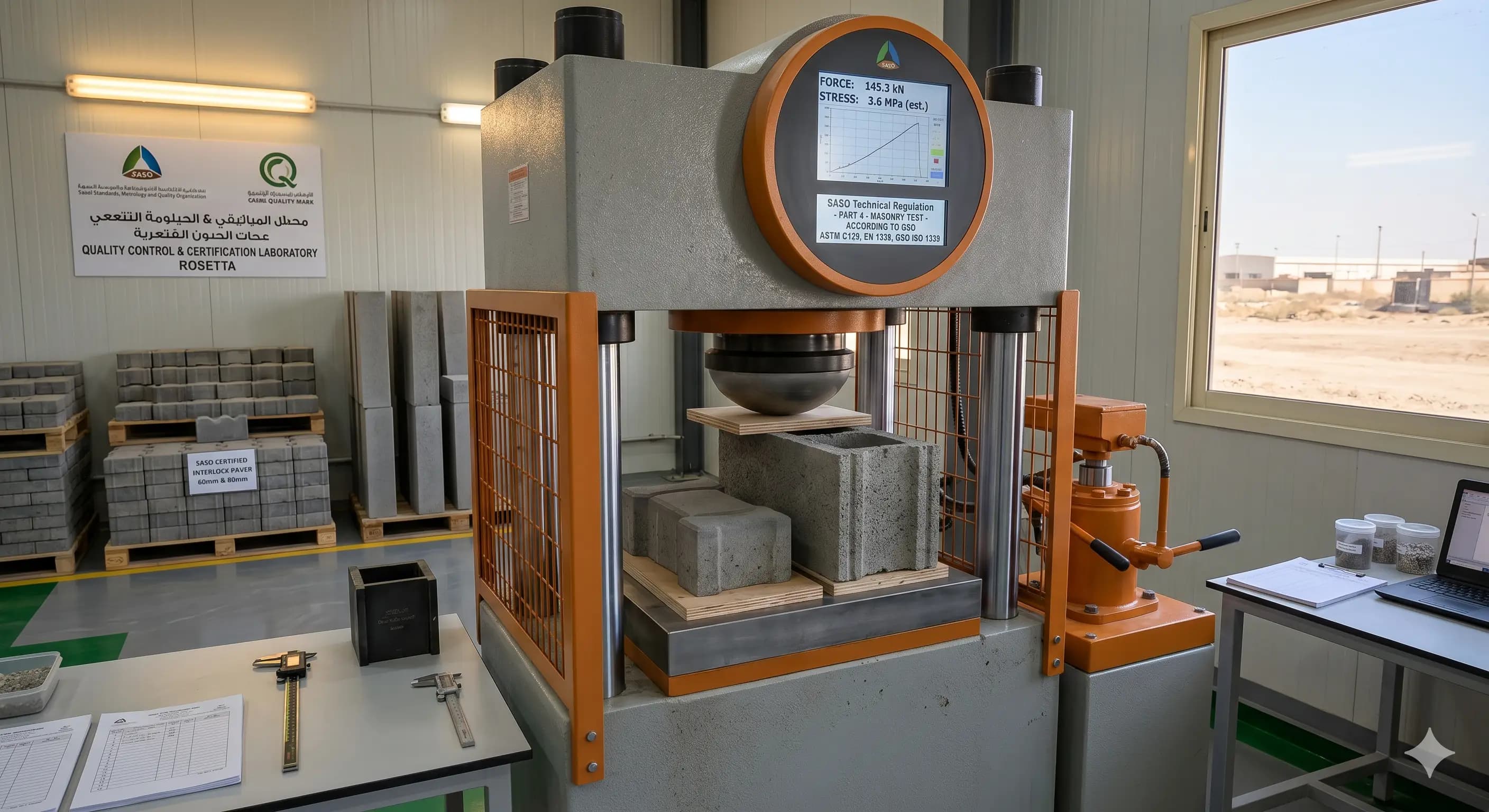
Blocks
Block and Interlock Testing Laboratory
Testing for cement blocks, interlock pavers, and curbstones covering dimensions, compressive strength, water absorption, and density by product specification.
Need Chemical Analysis Services?
Our specialized team is ready to mobilize to your site anywhere in the Kingdom.